Personal branding : Toyosi Etim-Effiong’s Keys to shine and inspire
Société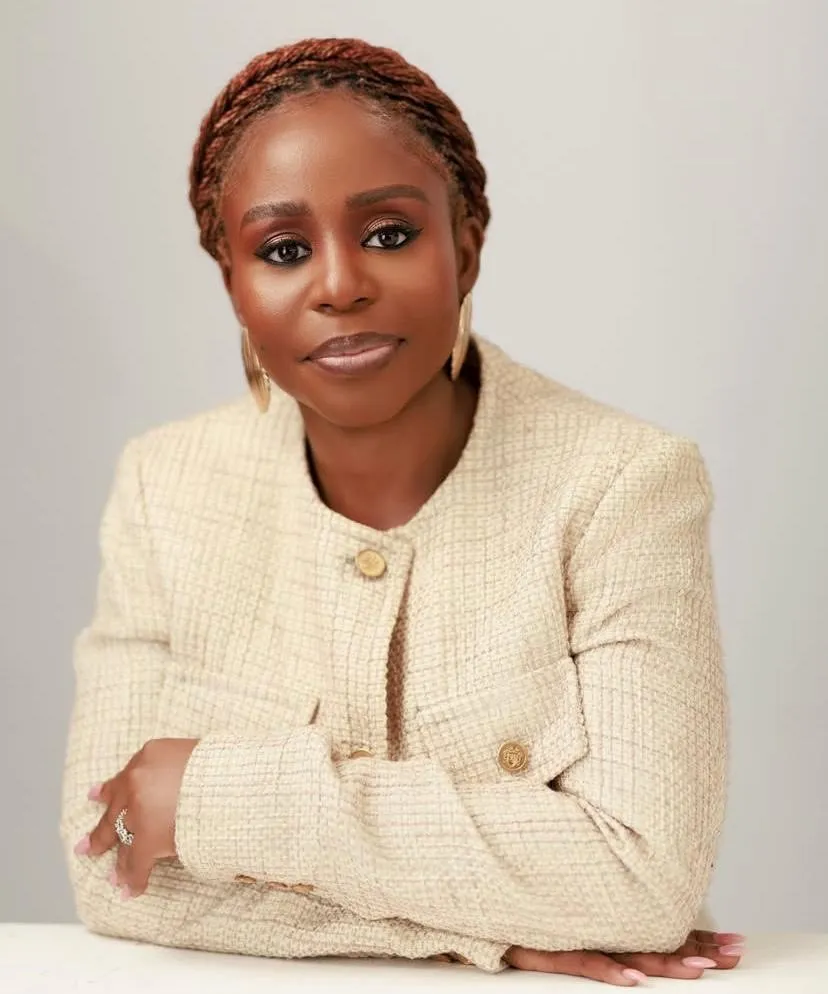 𝐓𝐨𝐲𝐨𝐬𝐢 𝐄𝐭𝐢𝐦-𝐄𝐟𝐟𝐢𝐨𝐧𝐠
In a world where competition
is increasingly fierce, entrepreneurs no longer sell just a product or a
service: they embody a story, values, and a vision. Toyosi Etim-Effiong,
founder and CEO of That Good Media, perfectly illustrates this dynamic. By connecting
Nollywood to major global stages, she demonstrates that personal branding is an
essential tool for building credibility, uniting a community, and standing out
sustainably. In this issue of Conseils avisés, we welcome her to share her
expertise on the topic.
Par Lhys DEGLA, le 03 oct. 2025 à 12h55 Durée 4 min.
𝐇𝐨𝐰 𝐝𝐨𝐞𝐬 𝐩𝐞𝐫𝐬𝐨𝐧𝐚𝐥 𝐛𝐫𝐚𝐧𝐝𝐢𝐧𝐠 𝐬𝐭𝐫𝐞𝐧𝐠𝐭𝐡𝐞𝐧 𝐚𝐧 𝐞𝐧𝐭𝐫𝐞𝐩𝐫𝐞𝐧𝐞𝐮𝐫’𝐬 𝐜𝐫𝐞𝐝𝐢𝐛𝐢𝐥𝐢𝐭𝐲?
Credibility is the bedrock of entrepreneurship. It’s not enough to have a good product or service, people need to believe in you. Personal branding strengthens credibility because it allows you to show up consistently and intentionally. It puts a face, a voice, and a story to the business. When people see your values reflected in your work, when they hear your perspective on industry conversations, when they see you owning your story without fear, they begin to trust you.
Trust is built over time, but personal branding accelerates it because it removes ambiguity. Instead of people guessing who you are, what you stand for, or why you do what you do, your personal brand answers those questions upfront. It says: this is who I am, this is what I believe, and this is how I show up in the world.
For me, credibility is about alignment. When your story matches your actions, and your actions match your results, that’s credibility. And personal branding is the vehicle that allows you to communicate and showcase that alignment consistently.
𝐈𝐧 𝐰𝐡𝐚𝐭 𝐰𝐚𝐲𝐬 𝐜𝐚𝐧 𝐚 𝐥𝐞𝐚𝐝𝐞𝐫 𝐛𝐮𝐢𝐥𝐝 𝐚𝐧𝐝 𝐮𝐧𝐢𝐭𝐞 𝐚 𝐜𝐨𝐦𝐦𝐮𝐧𝐢𝐭𝐲 𝐚𝐫𝐨𝐮𝐧𝐝 𝐭𝐡𝐞𝐦𝐬𝐞𝐥𝐯𝐞𝐬?
Communities form around shared values, not perfection. A leader who wants to build and unite a community has to first be human real, accessible, relatable. People don’t follow robots. They follow leaders who show vulnerability, who are open about their struggles, and who invite others into meaningful conversations.
I’ve found that community grows strongest when leaders don’t just broadcast, but create spaces for dialogue. It’s not about being the loudest voice in the room, but about amplifying other voices as well. Highlighting the work of others. Sharing resources freely. Creating platforms where people can learn, grow, and connect not just with you, but with each other.
To unite a community, you must give people a bigger vision than yourself. People rally when they feel they are part of something greater. For me, whether it’s through That Good International Festival or Saints in Media Network, my goal has always been to bring people together around creativity, faith, and impact. Leadership that unites is leadership that says: this isn’t about me, this is about us.
𝐇𝐨𝐰 𝐝𝐨𝐞𝐬 𝐩𝐞𝐫𝐬𝐨𝐧𝐚𝐥 𝐛𝐫𝐚𝐧𝐝𝐢𝐧𝐠 𝐡𝐞𝐥𝐩 𝐬𝐭𝐚𝐧𝐝 𝐨𝐮𝐭 𝐟𝐫𝐨𝐦 𝐭𝐡𝐞 𝐜𝐨𝐦𝐩𝐞𝐭𝐢𝐭𝐢𝐨𝐧?
Let’s be honest: almost every industry is saturated. There will always be someone offering something similar to what you do. But here’s the truth, no one can replicate you.
Personal branding is your edge because it shifts the spotlight from your product to your person. It communicates your story, your journey, your perspective, your way of doing things. That uniqueness is what cuts through the noise.
Think about it—two people may sell the same service, but one shares stories about how they arrived at this work, their struggles, their values, the communities they care about. Which one do you remember? Which one do you feel connected to? Which one do you trust more?
Personal branding makes you unforgettable. It gives people a reason to choose you over someone else, not just because of what you do but because of who you are.
𝐖𝐡𝐚𝐭 𝐜𝐨𝐦𝐦𝐨𝐧 𝐦𝐢𝐬𝐭𝐚𝐤𝐞𝐬 𝐝𝐨 𝐞𝐧𝐭𝐫𝐞𝐩𝐫𝐞𝐧𝐞𝐮𝐫𝐬 𝐦𝐚𝐤𝐞 𝐰𝐡𝐞𝐧 𝐛𝐮𝐢𝐥𝐝𝐢𝐧𝐠 𝐭𝐡𝐞𝐢𝐫 𝐢𝐦𝐚𝐠𝐞?
One of the biggest mistakes is trying to copy someone else’s playbook. When you build a brand that looks good on paper but doesn’t align with who you truly are, people sense it. And nothing breaks trust faster than inauthenticity.
Another mistake is inconsistency. Some entrepreneurs only show up when they have something to sell, and then disappear. Or they post once and go silent for months. A strong brand is built by showing up consistently, not just when it’s convenient.
A third mistake is trying to be everything to everyone. When you dilute your voice and water down your message in an attempt to appeal to everyone, you end up resonating with no one. It’s okay to have a niche. It’s okay to stand for something specific. That clarity actually draws the right people to you.
And finally, some entrepreneurs focus too much on the aesthetics logos, colors, perfect photos and not enough on the substance of their message. A beautiful package with no depth inside doesn’t last.
𝐇𝐨𝐰 𝐜𝐚𝐧 𝐨𝐧𝐞 𝐬𝐭𝐚𝐲 𝐚𝐮𝐭𝐡𝐞𝐧𝐭𝐢𝐜 𝐰𝐡𝐢𝐥𝐞 𝐬𝐡𝐚𝐩𝐢𝐧𝐠 𝐚 𝐩𝐞𝐫𝐬𝐨𝐧𝐚𝐥 𝐛𝐫𝐚𝐧𝐝?
Authenticity begins with self-awareness. Before you even think about building a brand, you have to know yourself. What are your values? What are your strengths? What are your struggles? What do you believe in so strongly that you cannot be silent about it?
When you know who you are, it’s easier to show up authentically. Because then your brand is not a costume, it’s an amplification of your true self.
Being authentic doesn’t mean oversharing every detail of your life. It means sharing from a real place, not a curated one. It means letting people see the lessons behind your stories, not just the highlight reel.
For me, authenticity is about alignment. Your personal brand should not be a mask. It should be a mirror—reflecting the best and truest version of you.
𝐖𝐡𝐚𝐭 𝐫𝐨𝐥𝐞 𝐝𝐨 𝐬𝐨𝐜𝐢𝐚𝐥 𝐦𝐞𝐝𝐢𝐚 𝐩𝐥𝐚𝐲 𝐢𝐧 𝐚𝐧 𝐞𝐧𝐭𝐫𝐞𝐩𝐫𝐞𝐧𝐞𝐮𝐫’𝐬 𝐥𝐞𝐚𝐝𝐞𝐫𝐬𝐡𝐢𝐩?
Social media is the amplifier. It gives you a stage larger than any physical room you can walk into. It allows you to lead conversations, to share your expertise, to inspire people across borders.
But here’s what I’ve learned, it’s not just about broadcasting. Social media also allows you to listen. To hear what people care about. To respond to their needs. To test your ideas in real time and refine your message.
In many ways, social media turns leadership into a two-way street. It’s not just about “follow me,” it’s about “let’s journey together.” It allows you to be accessible, to connect with people on a human level, even as you lead.
Used well, social media becomes not just a marketing tool but a leadership tool, helping you shape narratives, build trust, and unite communities.
𝐖𝐡𝐚𝐭 𝐭𝐫𝐞𝐧𝐝𝐬 𝐚𝐫𝐞 𝐬𝐡𝐚𝐩𝐢𝐧𝐠 𝐭𝐡𝐞 𝐟𝐮𝐭𝐮𝐫𝐞 𝐨𝐟 𝐩𝐞𝐫𝐬𝐨𝐧𝐚𝐥 𝐛𝐫𝐚𝐧𝐝𝐢𝐧𝐠?
I see three major shifts
happening right now:
1. Video-first storytelling: People no longer want to just read about you, they want to experience you. Short-form videos, live sessions, and behind-the-scenes content give your brand a human touch. They build intimacy at scale.
2. Community over clout: The future isn’t about the largest following, it’s about the deepest engagement. Brands with 1,000 true fans will go further than brands with 100,000 passive followers. People are looking for meaningful connection, not just noise.
3. Purpose-led branding: More and more entrepreneurs are integrating their values, their faith, and their sense of purpose into their brands. The days of being purely transactional are fading. People want to know not just what you do, but why you do it. Purpose-driven brands are the ones that will sustain.
The future of personal branding is about depth, not just reach. It’s about authenticity, storytelling, and purpose. And those who lean into that will not just stand out they’ll last.
If I could wrap it all up in
one line, it would be this: Personal branding is not about creating a version
of yourself for the world,it’s about amplifying the truest version of yourself
so the world can experience it.
Articles Similaires
-
Cotonou : pris par la foule, deux présumés voleurs trouvent refuge auprès de la Police
27 sept. 2026 01:12:34
-
Transport scolaire par taxi-motos : entre crainte et nécessité
26 sept. 2026 04:59:11
-
Ce qu’il faut savoir sur les bilans de santé : la glycémie à jeun
25 sept. 2026 03:26:41
-
Pourquoi bâille-t-on quand quelqu’un bâille ?
25 sept. 2026 03:22:21
-
Ouémé/ Protection sociale: 330 kits scolaires offerts aux orphelins et enfants vulnérables
25 sept. 2026 09:16:15
-
Pahou : Un réseau de voleurs et de receleurs de ferraille démantelé
25 sept. 2026 07:22:39
- Voir plus